Bubeke communities embrace agroecology for forest restoration
Agroecology and restoration work in Bubeke sub county, Kalangala district, is helping communities strengthen sustainable farming practices while deepening stewardship of Bubeke cultural forest, also known as Namusoke (The rainbow). With support from the Mortenson Family Foundation, the African Institute for Culture and Ecology (AFRICE) is working with Baana Ba Katonya Cultural Trust in Bubeke Sub-county, Kalangala District, to restore Bubeke Cultural Forest while strengthening community knowledge and practices in agroecology and indigenous seed systems. The work brings together forest restoration, traditional ecological governance, and livelihood improvement as part of a long-term effort to protect both ecosystems and community wellbeing.As part of this ongoing work, AFRICE recently conducted a practical agroecology training and on-farm visit around the Bubeke forest, where farmers and custodians reflected on progress and shared lessons from restoration process, agroforestry gardens, and nursery beds. The training focused on how agroecology can support forest restoration by improving food production, strengthening local knowledge, and reducing biodiversity loss in the forest.In the heavily degraded areas, indigenous tree species such as Musambya, Musizi, Mugave and Avocado are being raised and planted to help regenerate the forest. In some sections, agroforestry is being practiced, with trees intercropped with cassava, bananas, pineapples, and vegetables to improve food security and livelihoods. This approach is helping communities restore degraded forest land while also improving farming systems at household level. So far, about 3000 trees have been planted on the degraded parts of the forest. Indigenous tree nursery has been established, and elders (custodians of the forest), youth, and members of Baana Ba Katonya Cultural Trust have taken part in restoration process, which includes; tree planting, follow-up care, and the protection of sacred areas. Community dialogues and practical learning activities have also helped farmers adopt agroecological practices such as intercropping and agroforestry.
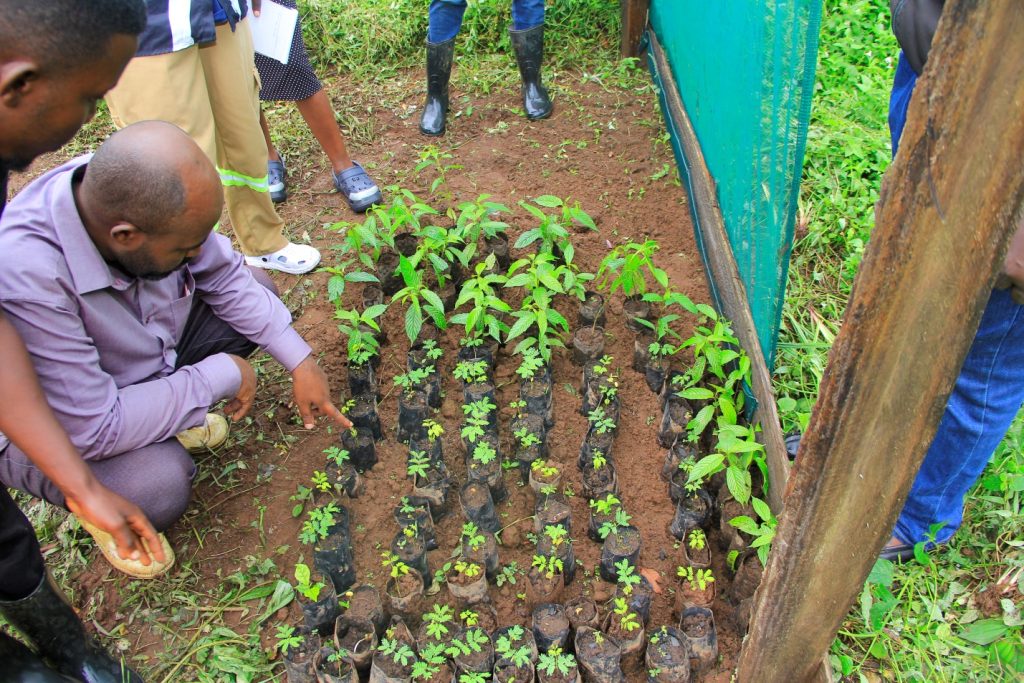
During the on-farm learning exercise, Ismael Bugembe, one of the farmers involved in the initiative, said more agroecology training is still needed, especially in organic pest control, nursery management, and practical ways of dealing with poor growth in trees and crops. During the session, AFRICE Agroecology Officer Juliet Zalwango shared guidance on the use of ash mixtures for pest control, proper manure application, better seed selection, and improved planting methods for bananas and pineapples.
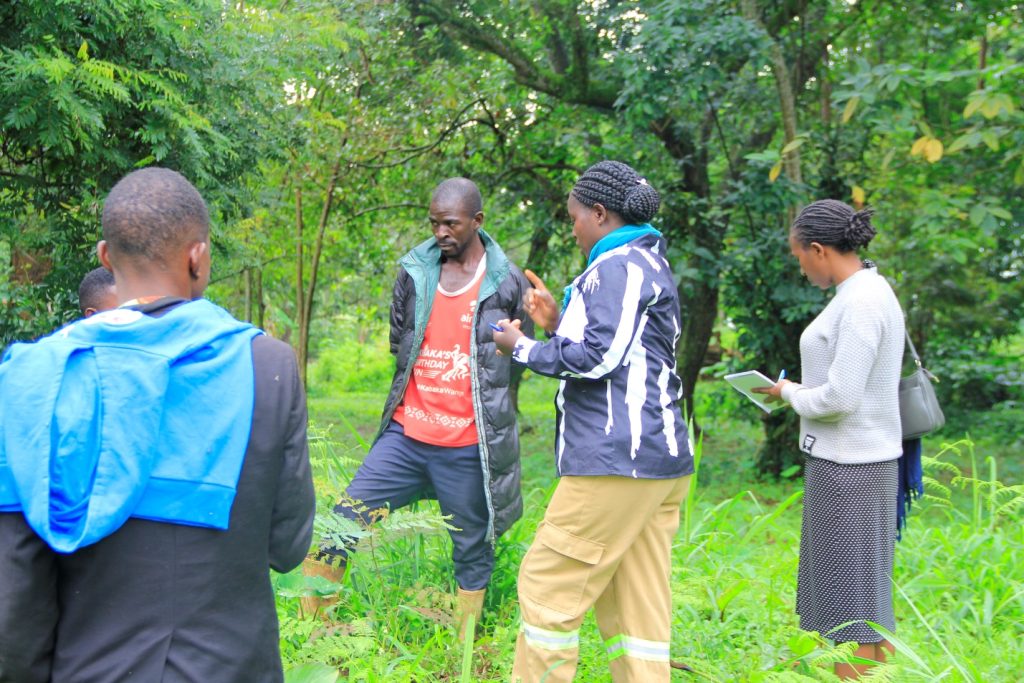
William Katonya Kamanyiro, the cultural leader of the Mamba clan under the Baana Ba Katoonya Trust and who is also the leader of the cultural stewardship(Custodians of the forest), said more agroecology trainings will help more households to strengthen farming practices while also sustaining crops that carry cultural value, such as the Gonja banana. He explained that Gonja is used in performing rituals by elders in protection of the forest. His remarks underscored how agroecology and traditional ecological governance are closely connected in Bubeke. He added that the community plans to expand the nursery beds to raise more indigenous treesis on going
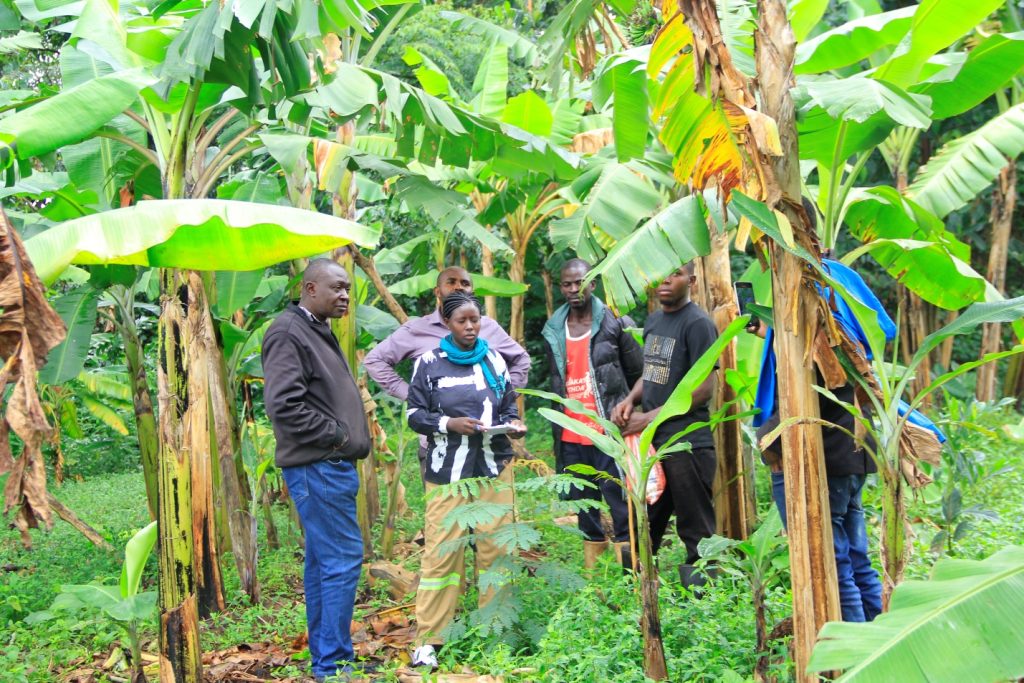
Augustine Kasirye, the AFRICE Board Chairperson and the chief of the Kabaka(King) of Buganda in Ssese Islands, said traditional governance systems once played an important role in ensuring food security, peace in communities and protection of the ecosystems. He noted that those systems have weakened over time which has contributed to forest loss and reduced fish stocks in Lake Victoria. He applauded AFRICE for the work being done and called them to continue supporting traditional governance systems and community sensitization efforts.AFRICE Executive Director, Dennis Tabaro says the work in Bubeke is rooted in strengthening indigenous knowledge systems and supporting communities as custodians of ecosystems and food systems.“This work is about strengthening traditional governance systems, restoring and protecting the cultural forest of Bubeke, and working with the clan to rebuild their role in protecting the forest. By bringing back indigenous trees and promoting agroecology, we want to see the forest recover while also helping communities improve their livelihoods through intercropping, food growing and animal rearing but following the customary laws governing the forest as instructed by the community.”According to Katonya, the need for this work is becoming more urgent as declining fish stocks in Lake Victoria continue to disrupt household incomes and push more community members who originally depended on fishing to turn to the forest for survival through charcoal burning and timber harvesting.“Overfishing in Lake Victoria is causing economic hardship, and many community members are now turning to the forest as an alternative source of income. It is unfortunate that the new people who came here to do fishing, most of them do not know the role our traditional practices in sustainability of this forest That’s why we need to inform them about these practices and we work together to restore the forest for our grandchildren while providing alternative livelihoods for communities.The 2 square mile Bubeke cultural forest contains 13 sacred natural sites (which are the critical areas for which the forest has been protected) that were historically protected through customary law and clan stewardship. For communities in Bubeke, restoration of the forest is about reviving their traditional culture, reconnecting with Mother Earth, strengthening local stewardship, and creating livelihoods that allow both people and the forest to thrive.It must be recalled that Kalangala Islands of Kalangala District is the highly forested area, not only in Uganda but the entire East African region. With the increasing weakening of the traditional ecological governance in Uganda, overfishing on Lake Victoria consequently leading to forest encroachment and Oil Palm growing, most of the forest mass has been destroyed.